

A comprehenive, systematic two day intensive on dental 3D printing
Sydney, AUSTRALIA
From: 9:00 AM Friday, 27 February, 2026
Registration opens at 8:30 AM
To: 5:00 PM Saturday, 28 February, 2026
Go from novice to expert in dental 3D printing in your clinic or lab in this comprehenive, systematic two day intensive
3D printing is everywhere in dentistry today, however the technology is far from plug and play. Understanding the key factors in the complex photochemical printing process that starts with optimal object design and material selection and extends through printing to washing to curing as part of a validated workflow is vital in order to achieve consistent, accurate results. This two day program delivered by industry experts is designed both for new users looking to upskill fast as well as current users who need to better understand every aspect of 3D printing.
Day 1: Fundamentals of dental 3D printing setup and post-processing
Session 1 – Introduction to 3D printing in dentistry
- Overview of 3D printing technologies: Differences between FDM, SLA, DLP and MSLA printers; why resin-based (SLA/DLP) is preferred in dentistry for precision and biocompatibility.
- Applications in dentistry: Models, crowns, bridges, splints surgical guides, clear aligners, full and partial dentures.
- Benefits: Customisation, speed, cost-efficiency vs traditional methods.
Session 2 – Hardware setup and materials
- Step-by-step printer setup: Unboxing, calibration, resin tank installation, build platform alignment and software integration.
- How to calibrate resins to the printer - the forgotten step
- Selecting materials: Types of dental resins (biocompatible, castable, flexible); handling and storage to avoid contamination and premature degradation.
- Safety protocols: Ventilation, PPE, resin toxicity risks, and disposal regulations.
Session 3 - Hardware setup and materials
- HANDS ON: Participants set up a demo printer and load resin.
Session 4- The Printing Process Basics
- Workflow overview: From digital design to physical print.
- Preparing for print: File import, orientation, supports generation in basic slicer software, introduction to setup and slicing softwares)
- Starting a print: Monitoring parameters like layer thickness, exposure time and print speed for dental accuracy.
- HANDS-ON: Initiate a simple test print (e.g., a basic dental arch model).
Session 5 - Importance of Washing and Curing
- Why washing matters.
- Washing techniques: Manual vs. automated (e.g., using isopropyl alcohol baths or ultrasonic cleaners).
- How long do I wash for?
- Why curing is essential.
- Curing methods: UV chambers, exposure times ,based on resin type, and validation (e.g., checking for complete polymerisation). The role of heat in post curing.
- The importance of temperature on curing.
- Common pitfalls.
Session 6 - Importance of Washing and Curing
- HANDS-ON: Wash and cure the test prints from Session 5; inspect results under magnification.
Session 7 - Wrap-Up and Q&A
- Review key takeaways: Setup checklist, safety dos/don'ts, post-processing best practices.
- Troubleshooting basics: Common setup errors (e.g., resin leaks) and quick fixes.
- Homework: Research a dental application of 3D printing and prepare questions for Day 2.
Day 2: Software, design and advanced workflow
Session 1 - Overview of dental 3D printing softwares
- Types of software: CAD for design (exocad, 3Shape, etc), mesh editing (Meshmixer, Blender) and slicers (Chitu box, Cura etc).
- Integration: How software fits into the workflow (scanning → design → slicing → printing).
- File formats: STL, OBJ, PLY; importance of watertight meshes for print success and how to fix them.
- DEMO: Quick tour of interfaces and basic navigation.
Session 2 - Digital Design Fundamentals
- Scanning and importing: Using intraoral scanners or converting CBCT data to 3D models.
- Basic modelling: Creating simple dental structures (e.g., crowns, bridges) – tools for extrusion, boolean operations and smoothing.
- Design principles: Anatomy considerations, occlusion, margins, and ensuring printability (e.g., wall thickness >0.5mm).
- HANDS-ON: Design a basic crown, export as STL.
Session 3 - Advanced Design and Customisation
- How to print more complex designs: Surgical guides, aligners, and implant models etc.
- Optimisation: Reducing material use, adding drainage holes, and hollowing models.
- Quality checks: Software tools for mesh repair, error detection (e.g., holes, intersections).
- Hands-on: Modify a sample aligner design and prepare for slicing.
Session 4 - Slicing and Print Preparation (1.5 hours
- Slicer software deep dive: Layer settings, support structures, orientation for minimal distortion in dental prints.
- Parameters for dentistry: High-resolution settings (50 microns), anti-aliasing, and resin-specific profiles.
- Simulation and validation: Previewing prints to avoid failures.
- HANDS-ON: Slice the designs from previous sessions, start a print and apply post-processing from Day 1.
Session 5 - Troubleshooting, Best Practices and Course Wrap-Up
- Common issues: Design flaws leading to print failures (e.g., warping), software errors and solutions.
- 6 Reasons Why Resin Prints Fail...
- Poor Build Plate Adhesion
- Incorrect Exposure Settings
- Dirty or Cloudy FEP Film
- Contaminated or Unmixed Resin
- Unsupported or Thin Structures
- Environmental Issues
- Scaling up: Integrating 3D printing into a dental lab or clinic
- maintenance tips
- Future trends: AI-assisted design, new materials.
- Q&A and certification: Feedback session, resources for further learning (e.g., online forums, manufacturer tutorials).
Conclusions and Q and A
Sydney, AUSTRALIA


TOTAL CPD AVAILABLE FOR THIS EVENT: 12 HOURS
12 CPD HOURS
Go from novice to expert in dental 3D printing in your clinic or lab in this comprehenive, systematic two day intensive
3D printing is everywhere in dentistry today, however the technology is far from plug and play. Understanding the key factors in the complex photochemical printing process that starts with optimal object design and material selection and extends through printing to washing to curing as part of a validated workflow is vital in order to achieve consistent, accurate results. This two day program delivered by industry experts is designed both for new users looking to upskill fast as well as current users who need to better understand every aspect of 3D printing.
Day 1: Fundamentals of dental 3D printing setup and post-processing
Session 1 – Introduction to 3D printing in dentistry
- Overview of 3D printing technologies: Differences between FDM, SLA, DLP and MSLA printers; why resin-based (SLA/DLP) is preferred in dentistry for precision and biocompatibility.
- Applications in dentistry: Models, crowns, bridges, splints surgical guides, clear aligners, full and partial dentures.
- Benefits: Customisation, speed, cost-efficiency vs traditional methods.
Session 2 – Hardware setup and materials
- Step-by-step printer setup: Unboxing, calibration, resin tank installation, build platform alignment and software integration.
- How to calibrate resins to the printer - the forgotten step
- Selecting materials: Types of dental resins (biocompatible, castable, flexible); handling and storage to avoid contamination and premature degradation.
- Safety protocols: Ventilation, PPE, resin toxicity risks, and disposal regulations.
Session 3 - Hardware setup and materials
- HANDS ON: Participants set up a demo printer and load resin.
Session 4- The Printing Process Basics
- Workflow overview: From digital design to physical print.
- Preparing for print: File import, orientation, supports generation in basic slicer software, introduction to setup and slicing softwares)
- Starting a print: Monitoring parameters like layer thickness, exposure time and print speed for dental accuracy.
- HANDS-ON: Initiate a simple test print (e.g., a basic dental arch model).
Session 5 - Importance of Washing and Curing
- Why washing matters.
- Washing techniques: Manual vs. automated (e.g., using isopropyl alcohol baths or ultrasonic cleaners).
- How long do I wash for?
- Why curing is essential.
- Curing methods: UV chambers, exposure times ,based on resin type, and validation (e.g., checking for complete polymerisation). The role of heat in post curing.
- The importance of temperature on curing.
- Common pitfalls.
Session 6 - Importance of Washing and Curing
- HANDS-ON: Wash and cure the test prints from Session 5; inspect results under magnification.
Session 7 - Wrap-Up and Q&A
- Review key takeaways: Setup checklist, safety dos/don'ts, post-processing best practices.
- Troubleshooting basics: Common setup errors (e.g., resin leaks) and quick fixes.
- Homework: Research a dental application of 3D printing and prepare questions for Day 2.
Day 2: Software, design and advanced workflow
Session 1 - Overview of dental 3D printing softwares
- Types of software: CAD for design (exocad, 3Shape, etc), mesh editing (Meshmixer, Blender) and slicers (Chitu box, Cura etc).
- Integration: How software fits into the workflow (scanning → design → slicing → printing).
- File formats: STL, OBJ, PLY; importance of watertight meshes for print success and how to fix them.
- DEMO: Quick tour of interfaces and basic navigation.
Session 2 - Digital Design Fundamentals
- Scanning and importing: Using intraoral scanners or converting CBCT data to 3D models.
- Basic modelling: Creating simple dental structures (e.g., crowns, bridges) – tools for extrusion, boolean operations and smoothing.
- Design principles: Anatomy considerations, occlusion, margins, and ensuring printability (e.g., wall thickness >0.5mm).
- HANDS-ON: Design a basic crown, export as STL.
Session 3 - Advanced Design and Customisation
- How to print more complex designs: Surgical guides, aligners, and implant models etc.
- Optimisation: Reducing material use, adding drainage holes, and hollowing models.
- Quality checks: Software tools for mesh repair, error detection (e.g., holes, intersections).
- Hands-on: Modify a sample aligner design and prepare for slicing.
Session 4 - Slicing and Print Preparation (1.5 hours
- Slicer software deep dive: Layer settings, support structures, orientation for minimal distortion in dental prints.
- Parameters for dentistry: High-resolution settings (50 microns), anti-aliasing, and resin-specific profiles.
- Simulation and validation: Previewing prints to avoid failures.
- HANDS-ON: Slice the designs from previous sessions, start a print and apply post-processing from Day 1.
Session 5 - Troubleshooting, Best Practices and Course Wrap-Up
- Common issues: Design flaws leading to print failures (e.g., warping), software errors and solutions.
- 6 Reasons Why Resin Prints Fail...
- Poor Build Plate Adhesion
- Incorrect Exposure Settings
- Dirty or Cloudy FEP Film
- Contaminated or Unmixed Resin
- Unsupported or Thin Structures
- Environmental Issues
- Scaling up: Integrating 3D printing into a dental lab or clinic
- maintenance tips
- Future trends: AI-assisted design, new materials.
- Q&A and certification: Feedback session, resources for further learning (e.g., online forums, manufacturer tutorials).
Conclusions and Q and A

Mr Terry Whitty
Dip.DT (Syd)
With nearly 25 years of experience in digital dentistry, Terence “Terry” Whitty is a well-known dental technology key opinion leader, consultant and author. Bringing over 40 years of experience...

Mr Jeroen Klijnsma
MDT
Jeroen is a powerhouse in digital dentistry, with over 20 years of experience driving innovation, helping labs and chairside practices go fully digital.
A trusted global speaker and certifie...
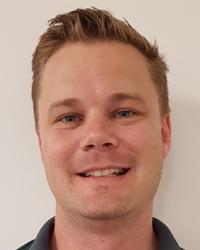
Mr Greg Baker
Greg Baker is a qualified dental technician and the owner of K-Lab Digital Solutions, a company which he founded in order to provide the highest possible level of technical support and service to h...

Mr Charlie Anderson
Charlie Anderson is a director of Australian 3D printing resin manufacturer Monocure 3D.
In a previous life, Charlie worked in the TV industry in Australia and abroad for over 20 years. He s...
Cancellation Policy
Full refund up to 30 days before course date.
No refund within 30 days of course date.


Registration Fee
THIS RATE APPLIES TO: Dentists, Dental Prosthetists, Clinical Dental Technicians, Denturists, Dental Technicians, Dental Assistants/Nurses, Others
Sign in!
Sign in!
www.dentalcommunity.com.au
www.dentevents.com
www.dentevents.tv
If you click YES, your email address will become your Username
Contacting Support
Please complete the from below to contact technical support.
You will be contacted within 24 hours of lodging your support request.
Resetting Your Password
Please click the button below to send the password reset link to your email address. Follow the instructions in the email to reset your password.
Resetting Your Password
Please enter your email address below and click CONTINUE.
Register Now!
Dentevents.tv is an online learning platform for the Dental Community. Register now to access content restricted to the dental profession.
Please enter a password below.
- Password Conditions
- One Upper Case Letter
- One Lower Case Letter
- One Special Character
- One Number
- Length 8 Characters
Create Account

Dentevents.com is the continuing education calendar for dentistry. Your login lets you register for events from a growing list of associations, conference managers and industry bodies.

Your Dentist connects dental clinicians with patients in Australia, New Zealand and other locations. Your login lets you keep your details and details of your practice up-to-date.

The Dental Community gives you access to a suite of tools to help you in your professional life, regardless of your role in the dental profession. Use your login and see for yourself!
Plus you receive online access to the latest editions of...
By clicking “Create account” you agree to our terms of use and privacy policy including receiving email updates from us and our partners. You may unsubscribe at any time.
Nearly done!
We've sent an email to
Please follow the link in the email to verify your account before sign in.
Didn't get the email? Try checking your spam or junk folder. If you're still having trouble, please contact us.